

In recent years, wearable technology has emerged as a transformative force in a variety of sectors. Most notably, it has become increasingly common in healthcare and rehabilitation.
These cutting-edge devices are equipped with sensors and algorithms that provide real-time data and feedback. This enables them to support highly personalized rehabilitation programs.
We’ll examine the significance of this technology today, along with its potential benefits and challenges for rehabilitation.
Understanding Wearable Technology in Rehabilitation
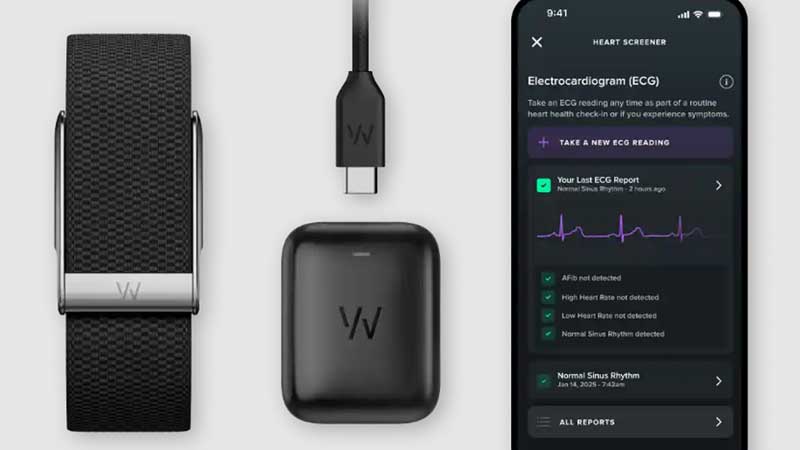
Wearable technology encompasses a range of devices worn on the body, including smartwatches, fitness trackers, and specialized rehabilitation devices.
These devices collect vital health metrics such as heart rate, movement patterns, and muscle engagement. In rehabilitation, such data play an essential role in monitoring patient progress, enhancing therapeutic strategies, and improving outcomes.
Applications of Wearable Technology in Rehabilitation
Current applications for wearable technology in rehabilitation include:
- Physical Rehabilitation: Wearable devices significantly enhance physical rehabilitation programs for conditions such as stroke, orthopedic injuries, and neurological disorders. For example, smart devices (watches, sensors, smart clothing) provide real-time, objective data on patient movement, heart rate, and activity. This enables physical therapists to create personalized, adaptive rehab plans, monitor progress outside the clinic, and boost patient engagement. It also ensures safety by tracking metrics like gait, posture, and exercise adherence.
- Occupational Therapy: Wearables are increasingly utilized in occupational therapy settings. Devices that monitor hand movements and grip strength are instrumental in assessing progress in patients recovering from hand injuries or surgeries. Such data-driven insights help therapists tailor rehabilitation activities to the patient’s specific needs.
- Telehealth Integration: The COVID-19 pandemic accelerated the adoption of telehealth, and wearable technology has proven to be a key component of this movement. Patients can engage in rehabilitation programs from home while clinicians remotely monitor their progress through real-time data analytics. This approach not only enhances accessibility but also increases patient engagement and adherence to treatment plans.
Benefits of Wearable Technology in Rehabilitation
Wearable technology is already demonstrating significant benefits for rehabilitation, including:
- Personalized Treatment: One of the most significant advantages of wearable technology is its capacity for delivering personalized treatment. Devices can collect data tailored to individual patients, allowing healthcare providers to customize rehabilitation programs based on specific metrics, progress, and patient responses.
- Real-Time Feedback: Immediate feedback provided by wearables allows patients to adjust their movements and activities during rehabilitation. This capability enhances learning, prevents errors, and leads to more effective rehabilitation outcomes. Therapists can also access data in real time, enabling them to adjust treatment strategies as necessary.
- Improved Compliance and Motivation: Wearable devices often incorporate gamification elements, where patients earn rewards or progress markers for achieving specific goals. This feature can motivate patients to engage more fully in their rehabilitation. Additionally, continuous monitoring encourages adherence to prescribed exercises and routines.
- Data Collection for Research: The data generated by wearables is invaluable for research in rehabilitation sciences. Large datasets can provide insights into the effectiveness of different rehabilitation protocols, leading to improved practices and policies in the field.
- Cost-Effectiveness: By facilitating remote monitoring and reducing the need for frequent in-person visits, wearable technology can lower healthcare costs. This shift not only benefits patients but also healthcare systems by optimizing resource allocation.
Challenges and Limitations
Despite the myriad benefits, the integration of wearable technology in rehabilitation is not without its challenges:
- Data Privacy and Security: The collection of health-related data raises concerns about privacy and security. Patients may be apprehensive about how their personal health information is stored and used, which can create a barrier to widespread adoption.
- Technology Acceptance: Not all patients are comfortable using technology, particularly older adults or those with limited technical skills. Ensuring that wearable devices are user-friendly and accessible is crucial for broader acceptance.
- Interoperability Issues: Many wearable devices exist in silos, lacking the ability to communicate effectively with other systems. Improved interoperability is needed to create cohesive health records that can enhance patient care.
- Accuracy and Reliability: While many wearable devices offer impressive features, their accuracy can vary. Ensuring that the data collected is reliable and valid is essential for making informed treatment decisions.
- Cost of Devices: While some wearables are affordable, more advanced devices—including smart exoskeletons or specialized rehabilitation robots—can be prohibitively expensive and may not be covered by insurance. This cost barrier limits access for some patients.
The Future of Wearable Technology in Rehabilitation
Looking ahead, the future of wearable technology in rehabilitation appears promising. Ongoing advances in artificial intelligence, machine learning, and sensor technology will further enhance the capabilities of wearable devices. Additionally, integrating virtual and augmented reality into rehabilitation practices, combined with wearable technology, could create immersive therapeutic environments for patients.
As research continues to explore the effectiveness of these devices, policies will likely evolve to address privacy concerns and establish standards for data security. Ultimately, the continued development and integration of wearable technology in rehabilitation will drive innovation, empower patients, and transform recovery practices across the healthcare landscape.
Summing It Up
Wearable technology is revolutionizing rehabilitation by offering personalized, data-driven solutions that enhance patient care and recovery outcomes. While challenges remain, the potential of wearable devices to improve patients’ quality of life during rehabilitation is undeniable. As technology advances and becomes more accessible, it is poised to play an even more significant role in the future of healthcare.