

How does Sports Medicine fit within the scope of the Physical Medicine and Rehabilitation medical specialty?
Sports Medicine focuses on athletes and activity-related injuries. Physical Medicine and Rehabilitation (PM&R) also encompasses sports injuries, but with a wider scope. PM&R takes a broader, whole-person approach to restoring function for any condition, including neurological, orthopedic, and pain. However, Physical Medicine and Rehabilitation doctors will take a “sports medicine” approach when this narrower focus is appropriate for a patient.
We’ll explore the role of sports medicine within the broader context of Physical Medicine and Rehabilitation, emphasizing its importance, methodologies, and future perspectives.
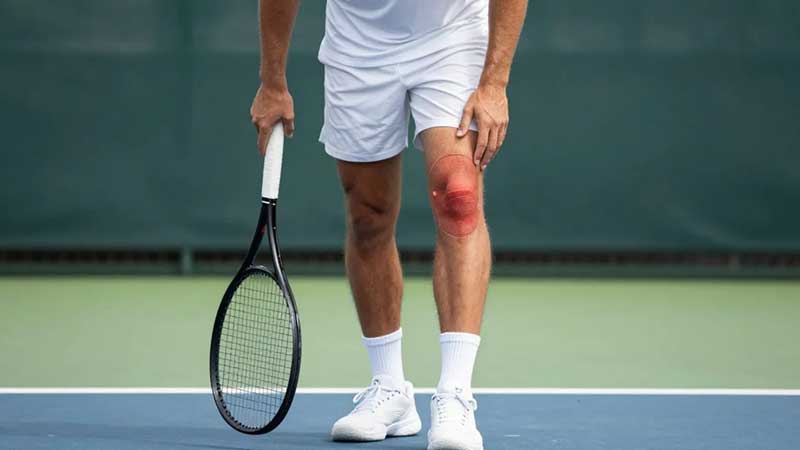
Definition and Scope of Sports Medicine
Sports medicine encompasses a wide range of practices, including injury prevention, performance enhancement, and the treatment of musculoskeletal injuries. It caters not only to elite athletes but also to recreational sports enthusiasts and all individuals engaged in fitness activities. The field is multidisciplinary, involving various healthcare professionals such as physicians, physical therapists, athletic trainers, and nutritionists.
Key objectives of sports medicine include:
- Injury Prevention: Developing strategies to minimize the risk of injuries through proper training techniques, equipment usage, and conditioning programs.
- Diagnosis and Treatment: Identifying injuries such as sprains, fractures, and overuse syndromes, and applying appropriate treatment plans, which may include physical therapy, medication, or minimally invasive surgery.
- Rehabilitation: Guiding athletes through recovery to safely return to their sport, often utilizing physical therapy modalities, strength training, and conditioning.
- Performance Optimization: Implementing training regimens tailored to enhance athletic performance while ensuring the safety and well-being of the individual.
Interdisciplinary Approach
In Physical Medicine and Rehabilitation, the interdisciplinary approach is crucial for providing comprehensive care. Sports medicine professionals often collaborate with other specialists to tailor treatment for individual needs. For example, a sports medicine physician may work alongside physical therapists to develop rehabilitation programs that focus on strength building, flexibility, and functional movement patterns. Nutritionists may also be involved to ensure that athletes maintain optimal energy levels and recovery trajectories through appropriate dietary choices.
Common Injuries in Sports Medicine
Sports-related injuries can occur across various levels of competition and types of physical activities. Some common injuries encountered in sports medicine include:
- Sprains and Strains: These injuries affect ligaments and muscles and are prevalent in both contact and non-contact sports.
- Fractures: Broken bones, often due to acute trauma or stress fractures from overuse, are a critical concern.
- Tendinitis: Inflammation of tendons, often caused by repetitive motions, seen frequently in sports like tennis (tennis elbow) or running (Achilles tendinitis).
- Rotator Cuff Injuries: Common in sports requiring overhead motions, such as swimming or baseball.
Understanding the specific injury patterns associated with different sports allows sports medicine practitioners to develop targeted intervention strategies for recovery and long-term health.
Rehabilitation Techniques
Rehabilitation in sports medicine aims to restore function, alleviate pain, and reintegrate athletes back into their sport as swiftly and safely as possible. Commonly employed techniques and therapies include:
- Physical Therapy: Focuses on restoring range of motion, strength, and functional capabilities through structured exercise programs.
- Manual Therapy: A hands-on approach, including mobilization and manipulation of soft tissues and joints, to improve movement and reduce pain.
- Modalities: Techniques such as heat, cold, ultrasound, and electrical stimulation can help manage pain and inflammation during recovery.
- Sport-Specific Training: Tailoring rehabilitation exercises to mimic movements required in the athlete’s specific sport, facilitating a smoother transition back to full participation.
The Role of Technology in Sports Medicine
Advancements in technology have significantly impacted the field of sports medicine. Tools such as wearable devices enable athletes and clinicians to monitor performance metrics, track physiological responses, and predict injury risks. Imaging technologies such as MRI and ultrasound provide clear diagnostic insights, enabling more targeted treatment plans.
Telemedicine has emerged as a significant player in the rehabilitation process, providing remote consultations and follow-up appointments. This convenience enables athletes to maintain continuity of care, especially when faced with geographical barriers.
Future Directions in Sports Medicine
The future of sports medicine within physical medicine and rehabilitation is bright, with several evolving trends shaping its direction:
- Emphasis on Injury Prevention: As research continues to highlight the importance of preventive measures, sports medicine is likely to place increasing focus on training techniques that mitigate injury risk.
- Personalized Medicine: Tailoring treatment approaches to athletes’ genetic, biomechanical, and psychological profiles will become increasingly prevalent.
- Increased Collaboration: The integration of sports psychologists, nutritionists, and biomechanics experts will provide holistic care for athletes, addressing both physical and mental facets of performance.
- Focus on Mental Health: Athletes’ mental well-being is receiving increasing attention, underscoring the need for comprehensive support systems.
Wrapping It Up
Sports medicine is an invaluable component of physical medicine and rehabilitation, dedicated to enhancing the performance and health of athletes at all levels. By emphasizing prevention, specialized rehabilitation, and a collaborative approach, sports medicine bridges the gap between traditional healthcare and the dynamic world of athletics.