

As we age, maintaining healthy joints becomes a critical aspect of our overall well-being. Joint health is essential for mobility, independence, and quality of life. Understanding how to care for your joints can help you remain active and engaged in the activities you love. We’ll explore the factors that contribute to joint health, preventive measures, and strategies for maintaining healthy joints as we get older.
Understanding Joint Health
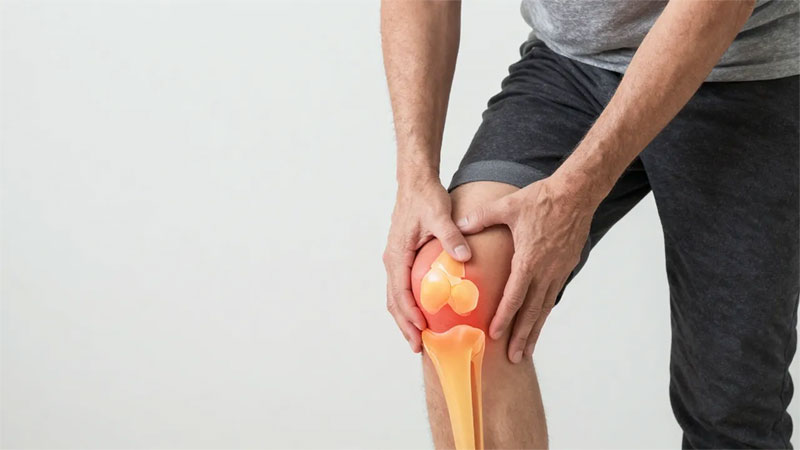
Joints are the connections between bones that allow for movement. They are composed of various tissues, including cartilage, ligaments, tendons, and synovial fluid. With age, these components can undergo changes, leading to conditions such as osteoarthritis, characterized by cartilage breakdown and subsequent joint pain.
Several factors can influence joint health, including genetics, lifestyle, and overall physical condition. While some factors are beyond our control, many can be managed through proactive health measures.
The Importance of Regular Exercise
One of the most effective ways to maintain joint health is through regular exercise. Engaging in physical activity helps to strengthen the muscles surrounding the joints, maintain flexibility, and promote overall mobility. Here are several types of exercises that are particularly beneficial for joint health:
1. Low-Impact Aerobic Activities
Low-impact exercises such as walking, cycling, and swimming are excellent for improving cardiovascular health without putting excessive strain on the joints. These activities help to maintain a healthy weight, which is crucial because excess weight can place additional stress on weight-bearing joints like the knees and hips.
2. Strength Training
Incorporating strength training into your routine can help build muscle mass, which supports and stabilizes joints. Focus on exercises that target all major muscle groups, using resistance bands or light weights. It’s important to start slowly and consult with a healthcare professional or trainer to ensure proper form and avoid injury.
3. Flexibility and Stretching Exercises
Flexibility exercises, such as yoga or tai chi, can improve range of motion and reduce joint stiffness. These practices also enhance balance, which can help prevent falls, which is a significant risk as we age.
4. Balance Training
Incorporating balance exercises, such as standing on one leg or using balance boards, can help improve stability and reduce the risk of falls. This is particularly important for older adults, as falls can lead to serious injuries.
Nutrition for Joint Health
Diet plays a significant role in maintaining joint health. Consuming a well-balanced diet rich in essential nutrients can help protect your joints and reduce inflammation. Here are some dietary recommendations:
1. Omega-3 Fatty Acids
Found in fatty fish (like salmon, mackerel, and sardines), flaxseeds, and walnuts, omega-3 fatty acids have anti-inflammatory properties that can help reduce joint pain and stiffness. Including these foods in your diet may provide relief for those suffering from arthritis.
2. Antioxidant-Rich Foods
Fruits and vegetables, particularly those high in antioxidants (such as berries, leafy greens, and nuts), can help combat oxidative stress and inflammation. These foods support overall health and may directly benefit joint health.
3. Vitamin D and Calcium
Adequate intake of vitamin D and calcium is essential for bone health. Vitamin D helps the body absorb calcium, which is necessary for maintaining strong bones. Good dietary sources include dairy products, fortified foods, leafy greens, and exposure to sunlight.
4. Hydration
Staying hydrated is vital for joint lubrication and overall health. Drinking plenty of water helps maintain synovial fluid, which cushions the joints. Aim for at least eight glasses of water a day, or more if you are active.
Weight Management
Maintaining a healthy weight is crucial for joint health. Excess weight increases the strain on weight-bearing joints, particularly the knees and hips. For example, experts estimate that for every pound of extra weight you carry, your knees absorb an extra 4 pounds of pressure.
Even modest weight loss can significantly reduce pain and improve mobility for those with joint issues.
Strategies for Weight Management:
- Portion Control: Be mindful of portion sizes to avoid overeating.
- Balanced Diet: Focus on whole foods, including lean proteins, whole grains, fruits, and vegetables.
- Regular Physical Activity: Combine exercise with dietary changes for effective weight management.
Preventive Measures
Taking preventive measures early can significantly impact joint health as you age. Here are some strategies to consider:
1. Regular Check-Ups
Routine medical check-ups can help identify early signs of joint problems. Discuss any joint pain or stiffness with your healthcare provider to address issues before they become more serious.
When should you see a doctor for joint pain outside of regular check-ups?
- When joint pain lasts for more than three days.
- When pain is accompanied by swelling, redness, warmth, or tenderness.
- When you can’t move the joint or put weight on it.
- When it is severe or injury-related.
- When you experience a fever with joint pain.
- When joint pain prevents you from participating in regular activities.
2. Proper Footwear
Wearing supportive footwear can help reduce strain on your joints. Look for shoes that provide proper arch support and cushioning, especially if you have existing joint issues or engage in activities that put stress on your feet and joints.
3. Avoid Prolonged Inactivity
Sitting for extended periods can lead to stiffness and muscle weakness. Aim to incorporate movement into your daily routine, such as taking short walks or stretching breaks every hour.
4. Ergonomic Adjustments
Make ergonomic adjustments to your workspace and home environment to reduce joint strain. Use chairs and desks that promote good posture, and consider tools that minimize joint stress during activities.
Managing Joint Pain
If you experience mild joint pain that doesn’t require a doctor visit, it’s essential to address it promptly.
Here are some management strategies:
1. Physical Therapy
Consulting with a physical therapist can provide you with personalized exercises and techniques to alleviate pain and improve joint function.
2. Medications
Over-the-counter pain relievers, such as ibuprofen or acetaminophen, can provide temporary relief. Always consult with a healthcare professional before starting any medication.
3. Heat and Cold Therapy
Applying heat or cold to painful joints can help reduce inflammation and provide relief. Heat can relax muscles, while cold can numb pain and reduce swelling.
4. Alternative Therapies
Consider exploring alternative therapies such as acupuncture and massage, which may provide additional relief for joint pain.
Conclusion
Maintaining healthy joints as we age is a multifaceted endeavor that involves regular exercise, a balanced diet, weight management, preventive measures, and consulting a medical doctor when appropriate.
By prioritizing joint health, you can maintain your mobility and independence, allowing you to continue enjoying life to the fullest. Remember, it’s never too late to start taking care of your joints. Small, consistent changes can lead to significant improvements in your quality of life as you age.